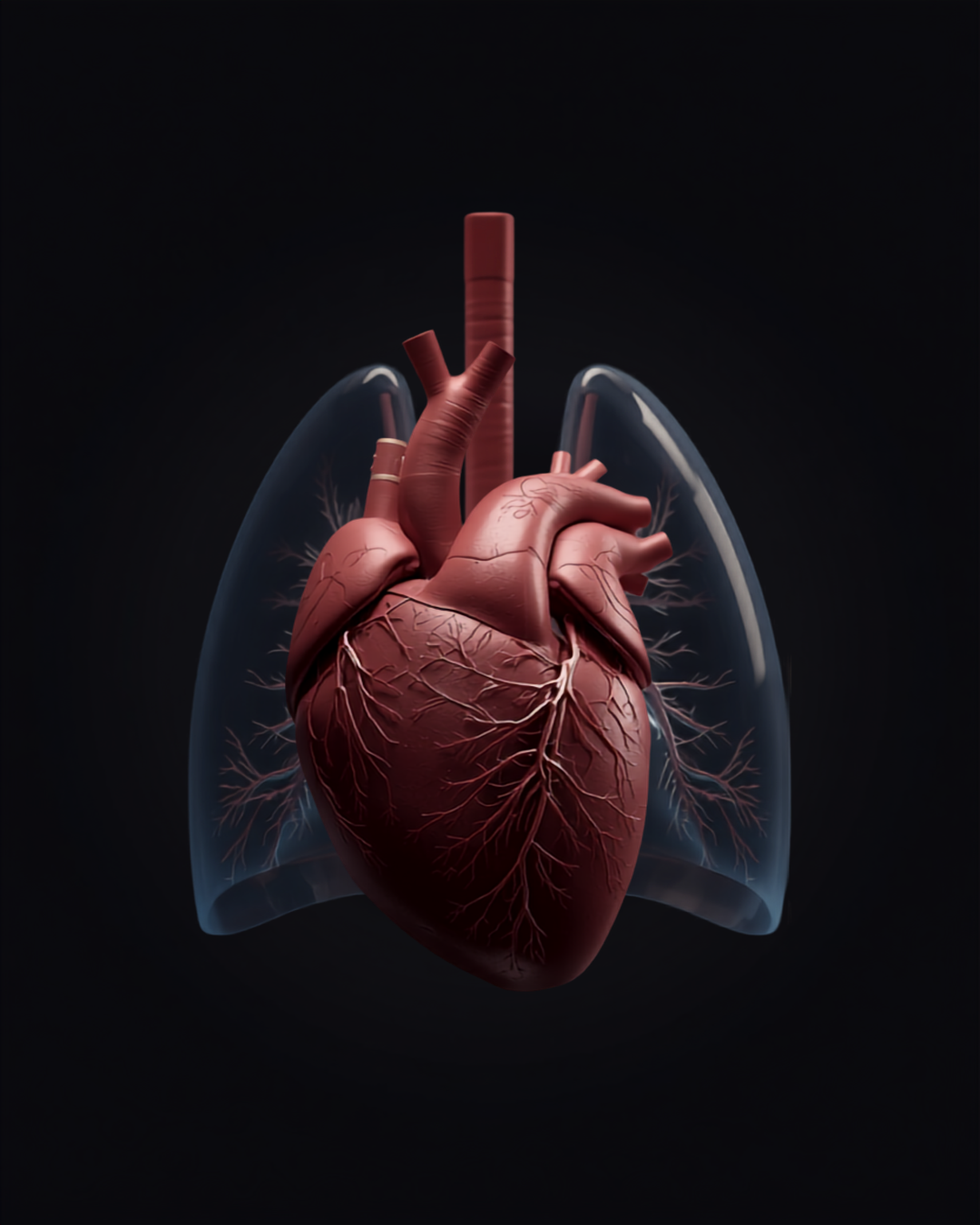
Forget cholesterol ratios and blood pressure — research shows your VO₂ max is the most powerful predictor of all-cause mortality. Here's why this one number matters more than almost anything else.
If someone told you there was a single test that could predict your risk of dying from any cause — cancer, heart disease, diabetes, neurodegenerative disease — better than almost any other metric, would you take it? That test exists. It's called VO₂ max testing, and a landmark 2018 study from the Cleveland Clinic proved just how powerful it is.
VO₂ max (maximal oxygen uptake) measures the maximum amount of oxygen your body can utilize during intense exercise. It's expressed in milliliters of oxygen per kilogram of body weight per minute (mL/kg/min). In simple terms, it's a direct measurement of your cardiorespiratory fitness — how efficiently your heart, lungs, blood vessels, and muscles work together to deliver and use oxygen.
Average VO₂ max values vary by age and sex:
But here's the critical insight: where you fall on the fitness spectrum matters far more than your cholesterol, blood pressure, or blood sugar when it comes to predicting how long you'll live.
In 2018, Dr. Wael Jaber and his team at the Cleveland Clinic published a study in JAMA Network Open that analyzed 122,007 patients who underwent exercise treadmill testing between 1991 and 2014. The results were staggering:
Read that again: being unfit is more dangerous than smoking. And there is no point at which being more fit stops helping you live longer. The researchers concluded that cardiorespiratory fitness should be treated as a clinical vital sign.
VO₂ max isn't just measuring your lungs or your heart — it's measuring the integrated function of nearly every system in your body:
When your VO₂ max declines, it's not just one thing failing — it's a systemic signal that your body's ability to perform its most fundamental function (using oxygen to generate energy) is deteriorating. This is why it predicts death from virtually every cause, not just cardiovascular disease.
After age 30, VO₂ max declines by approximately 10% per decade in sedentary individuals. By 70, an inactive person may have a VO₂ max so low that basic activities of daily living — climbing stairs, carrying groceries, getting off the floor — require near-maximal effort. This is the pathway to frailty, falls, and loss of independence.
But here's the good news: VO₂ max is highly trainable at any age. Research shows that structured exercise can improve VO₂ max by 15-20% within 12-16 weeks, regardless of starting fitness level. Studies on adults in their 70s and 80s have demonstrated significant improvements with appropriate training protocols.
The most effective protocol for improving VO₂ max is high-intensity interval training (HIIT), specifically the "Norwegian 4×4" protocol that has extensive clinical validation:
Additionally, Zone 2 training (steady-state cardio at 60-70% of max heart rate) performed for 150-180 minutes per week builds the mitochondrial foundation that supports higher-intensity work. The combination of Zone 2 base work and HIIT intervals is the most evidence-backed approach to maximizing VO₂ max.
We incorporate VO₂ max testing into our comprehensive assessment because it provides context that blood work alone cannot. A patient with perfect labs but a VO₂ max in the bottom 25th percentile has a significant, modifiable risk factor that no medication can address — only training can.
We also use serial VO₂ max testing to track the effectiveness of our protocols. Hormone optimization (particularly testosterone), peptide therapy, and structured exercise programming should all produce measurable improvements in VO₂ max over time. If they don't, we adjust.
Your VO₂ max is arguably the most important number in your health portfolio. It's more predictive of longevity than your cholesterol, your blood pressure, or your fasting glucose. The beautiful thing is that unlike many health metrics, VO₂ max responds dramatically to intervention. You can improve it at any age, and every improvement reduces your mortality risk.
If you don't know your VO₂ max, that's a data gap worth closing. Your longevity depends on it.
Event invites, new articles, and the occasional note from Danielle. No spam — unsubscribe anytime.